How much does tree removal cost?
Typical U.S. prices run from a few hundred dollars for a small tree to several thousand for a large or hard-to-reach one. Access, height, and tree health all matter, so get a written quote.
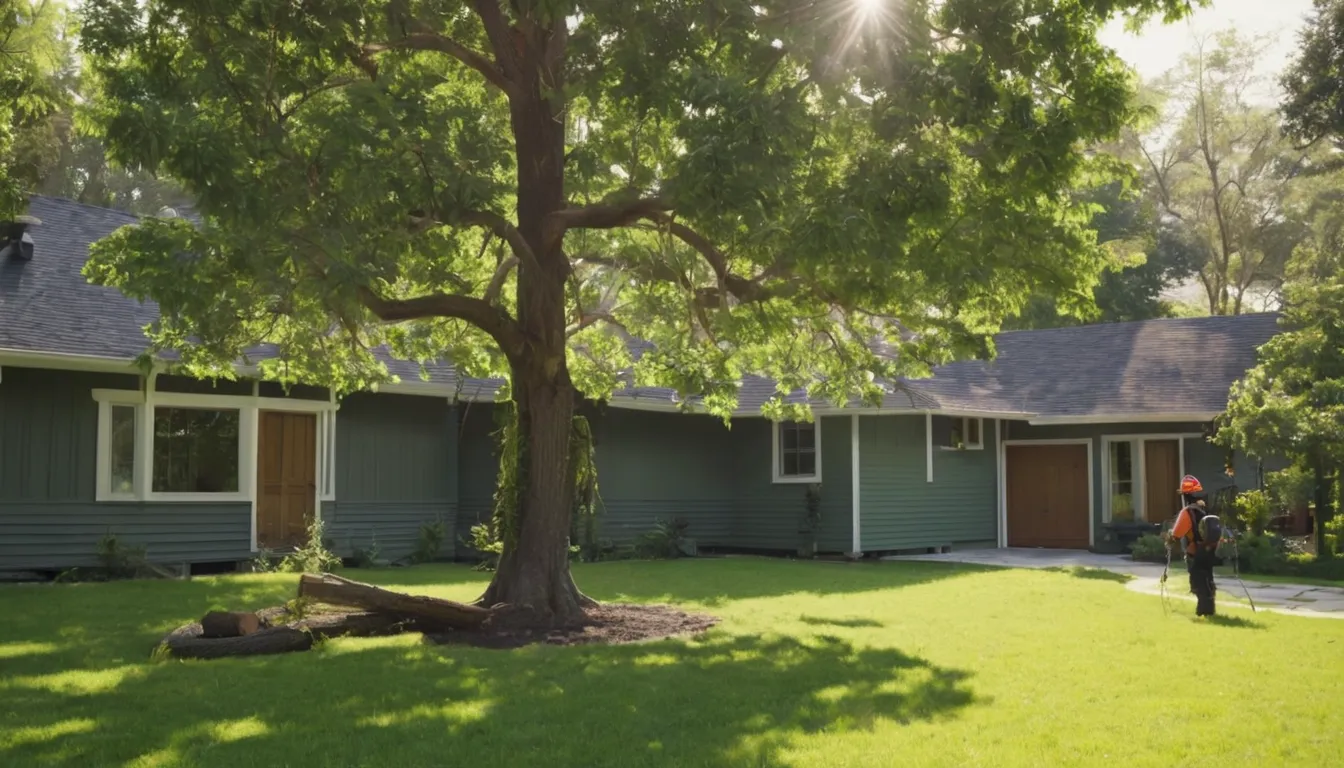
Is that tree leaning, cracked, or dropping limbs over your roof? You are right to ask. A tree that looks fine in July can fail in the first hard storm, and the damage lands on your house, your car, or your neighbor's fence.
Damagestrategy Tree Service is a referral service. We connect homeowners in Glenview and the Glenview area with independent local providers who do the removal. The provider inspects the tree, explains the plan, and gives you a written quote. You decide what happens next. A careful job protects your home, your yard, and your resale value. Timing changes everything, so ask early, then act.
Good question. Not every worried-about tree needs to go. Some just need trimming. Others are past saving.
A local provider can tell the difference. Ask for an honest look before you commit to anything. That one step can save you money and save a healthy tree.
Most people have one of a few reasons. See if yours is on the list:
Timing changes everything. A cracked limb can hold for weeks or drop in the next gust. Cold winters with deep frost and heavy snow load stress weak wood. Summer thunderstorms and hail add more strain.
A tree you plan to remove in calm weather costs less and goes more smoothly than one that comes down on its own. Early action protects the roofline.
If a tree is on your house, fence, or car, stay clear and keep everyone away from downed lines. Then reach out to a provider who handles emergency tree removal. Many providers can respond quickly, though availability varies.
Request a callback to check provider availability. Some policies may cover sudden damage, so check your policy. Providers can often help document damage for a claim.
It is simpler than most people expect. A provider visits and inspects the tree. They look at its size, lean, health, and what sits below it. Then they explain the plan and give a written quote.
On the day of the job, the crew sets up safety zones. For tree falling service, they may drop the tree in one piece when there is room. Near a house, they usually climb and take it down in sections. Large or tight jobs may call for a crane.
Controlled cuts keep heavy wood off shingles, gutters, and siding. It takes longer, but it keeps your roof and landscaping safe. That matters for resale value.
Cost depends on the job, not just the tree. Here is what moves the number:
Get a written quote that lists what is included. If two quotes differ a lot, ask why.
Sometimes. Some towns protect certain species or large trees. Others require approval near the street or a property line. Rules vary by town and even by neighborhood.
Ask the provider what applies in your area. A good one knows the local rules and can point you to the right office. If the tree is shared with a neighbor, talk to them first.
Ask, then act. Before you say yes, ask these questions:
Be cautious if someone pushes you to decide on the spot, asks for full payment up front, or cannot show insurance. A careful provider is happy to answer.
A little prep goes a long way. Move cars out of the driveway and off the street nearby. Clear patio furniture, planters, and toys from the work zone. Tell neighbors so nobody is surprised by the noise.
If the tree is near a basement window or sump discharge, point that out. Keep pets indoors. Make sure the provider can reach the tree without crossing soft, wet ground.
Wet spring soil can slow heavy equipment and leave ruts. Many homeowners schedule removal when the ground is firmer, such as late summer or frozen winter. Your provider can advise on timing.
Walk the yard with the provider. Check the roof, gutters, and fence for scrapes. Confirm that the wood and brush are hauled away or stacked the way you agreed.
You will have a stump left. Grinding it is a separate step that has its own page. Decide early so the yard is not left half finished.
A dead tree near the house is a worry for any buyer or inspector. A clean, planned removal removes that worry. It keeps the roof, foundation, and drainage safe for years.
After a storm, storm tree clearance also stops further damage from loose limbs and trunks. That helps keep your home in good shape for the next owner.
You do not need to have every answer. Start with a simple question about your tree and see what a local provider says. Request an estimate, compare it with your plan, and go from there.
A provider checks size, lean, health, and nearby structures before suggesting whether removal or trimming makes more sense.
Trees come down whole or in sections, depending on space, with care taken around roofs, wires, and fences.
Many providers haul away logs and brush, or leave wood stacked if you want it. Confirm this up front.
You get a clear, itemized quote before work starts, so you know what is covered and what is extra.
These are typical U.S. ranges. Your price depends on tree size, access, and risk. Use the table as a rough guide, and always get a written quote before you agree to any work.
| Job type | Typical range | Notes |
|---|---|---|
| Small tree (under 30 ft) | $150 – $500 | Easy access, little risk near the house |
| Medium tree (30–60 ft) | $400 – $1,200 | Often removed in sections near structures |
| Large tree (60 ft or more) | $1,000 – $2,500 | Height and trunk width raise time and risk |
| Crane-assisted removal | $1,500 – $5,000 | Used for tight spaces or very large trees |
| Storm-damaged or fallen tree | $300 – $2,000 | Varies with location and urgency |
| Haul-away of wood and brush | $100 – $400 | Sometimes included, sometimes extra |
Share your tree's location, size, and any concerns, or request a callback to talk it through.
Damagestrategy Tree Service connects you with an independent local provider serving Glenview and the Glenview area.
The provider inspects the tree and gives a written quote. You decide with no obligation.
Pick a time that works. The provider handles the takedown and agreed cleanup.
Careful cutting keeps heavy limbs off shingles, gutters, and siding during removal.
Weak or dead trees can drop limbs without warning. Removal lowers risk for people and property.
A clean, planned removal avoids damage and keeps your home appealing to future buyers.
Local providers explain the plan and price in writing before any work begins.
Questions about a tree? Request a callback to check provider availability, or send an estimate request and tell us what you see in your yard.
No obligationTypical U.S. prices run from a few hundred dollars for a small tree to several thousand for a large or hard-to-reach one. Access, height, and tree health all matter, so get a written quote.
It depends on your town. Some places protect certain species or large trees, or require approval near streets and property lines. Ask your provider or your local office before work begins.
Some policies may cover sudden damage, such as a tree falling on your house in a storm. Routine removal usually is not covered. Check your policy, and ask the provider about help documenting damage.
Questions about a tree? Request a callback to check provider availability, or send an estimate request and tell us what you see in your yard.
No obligation