How long does stump grinding take?
Most single stumps take under an hour once the machine is set up. Large stumps, thick roots or several stumps in one yard can stretch the visit. The provider can give you a realistic estimate.
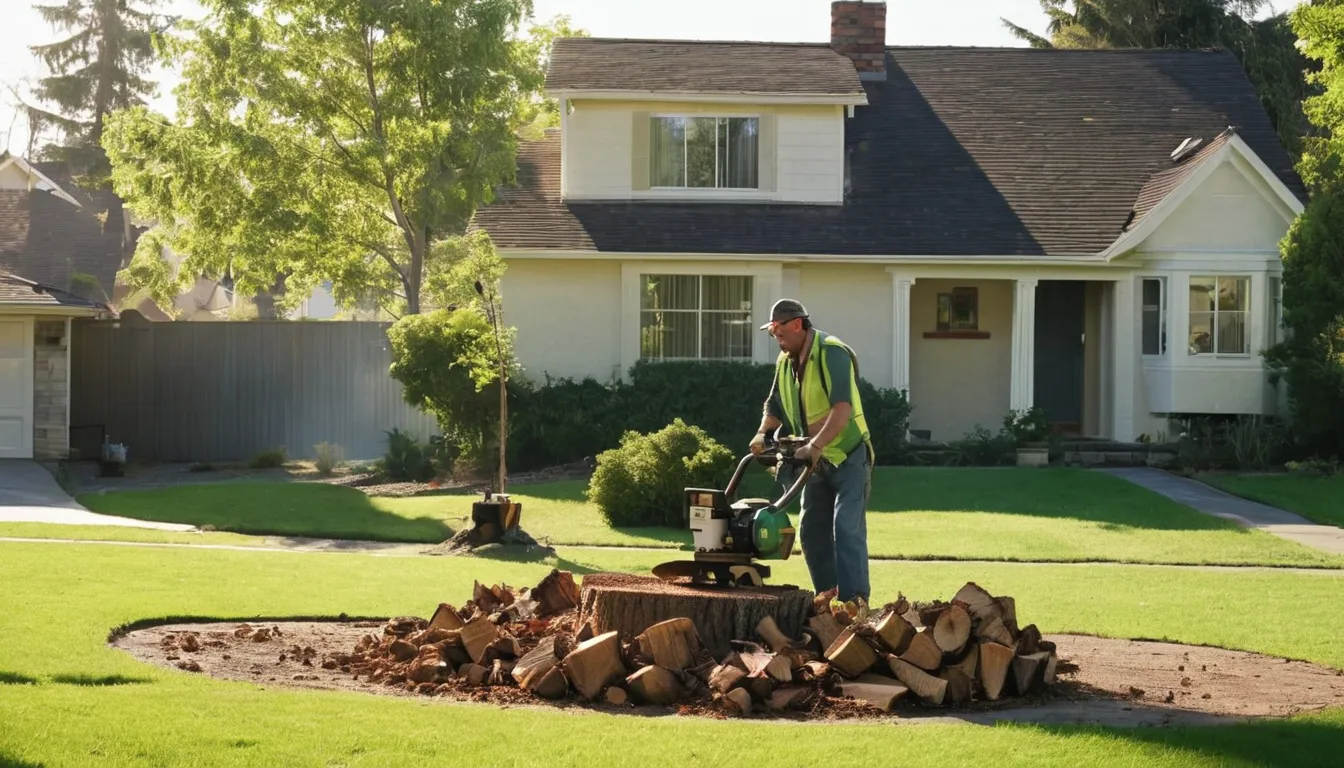
Is that stump still sitting in your yard? You are not alone. Many homeowners leave one behind after a tree comes down, then it quietly becomes a bigger job. Stump grinding uses a powerful machine to chew the wood into mulch, well below the surface, so the space is ready for grass, garden beds or a patio.
Damagestrategy Tree Service is a referral service. We connect homeowners in Glenview and the Glenview area with independent local providers who do the grinding. The providers handle the work, the equipment and the cleanup plan. Your part is simple: ask questions, compare written quotes and pick the provider that fits your yard. A tidy, level lawn helps protect your home's curb appeal and future resale value.
It can be. A stump looks harmless, but it changes over time. Timing changes everything, and the sooner it is ground, the simpler the job tends to be.
Fresh stumps often push up green shoots. Roots keep trying to live. The stump also becomes a trip hazard for kids, pets and anyone mowing in a hurry. Mower blades and string trimmers take a beating around it.
The wood starts to soften and rot. Ants, beetles and other insects move in. Fungus and mushrooms may appear. On a frame house that has stood for decades, you want pests drawn to wood kept well away from the walls and porch.
Often, yes. Large roots spread and sprout new suckers across the lawn. Old rot can leave soft pockets in the ground. A buyer walking the yard notices a decayed stump right away, and it can make the whole property feel less cared for.
A provider brings a grinder with a spinning cutting wheel. The operator sweeps it side to side across the stump, taking off thin layers. The wood turns into chips and mulch. It is loud, but it is quick compared with digging.
Most grinding goes several inches below the soil line. That is enough for grass or sod. Planting a new tree in the same spot may need a deeper cut, so tell the provider your plan before the job starts.
Grinding leaves the roots underground to break down slowly. Full removal pulls out the stump and the main roots, which means a bigger hole and more cleanup. Grinding is the gentler choice for lawns, sprinklers and buried lines. Ask the provider which one suits your yard.
Stump width is the biggest factor. Hard wood, exposed roots, tight gates and slopes add time. Number of stumps matters too, since providers often reduce the per-stump rate when they grind several in one visit. Always get a written quote.
Walk the area and clear toys, hoses, planters and furniture. Mark sprinkler heads, pet fences and any buried lines you know about. Make sure the provider has a clear path from the street or driveway. Keep kids and pets indoors while the machine runs.
Yes. Even a stump that has sat for years can usually be ground. Older, softer wood may go faster, though hidden rocks or metal can slow things down. If a fence or post was once attached, mention it up front.
It can. Deep frost makes the ground hard to work around, and spring flooding can leave soft, muddy yards that a heavy machine may rut. Summer storms add delays too. Ask the provider about a window that protects your lawn.
You will have a pile of mulch and a small mound. Ask whether the provider will haul it away or leave it. Fill the hole with topsoil, tamp it down, and add grass seed or sod. Water lightly until the grass takes hold.
Grass, a flower bed or a shrub usually works well. Wood chips mixed into soil can tie up nutrients, so use mostly clean topsoil. If you plan a patio or shed, tell the provider early so the grinding depth fits.
A clean, level yard shows well in listing photos and at showings. It also removes a pest source and a trip hazard near the house. Small details like this protect the roofline of a good first impression.
Ask, then act. Good questions help you compare quotes fairly:
Request a callback to check provider availability in your area, or send the request form and compare options at your own pace. There is no obligation, and a short chat can save you from a bigger job later.
Providers grind the stump below ground level so your lawn can grow back evenly.
Surface roots that cause trips and mower damage can be ground down along with the stump.
Have several stumps from past removals? Ask providers to quote them together in one visit.
Many providers can haul away chips, or leave mulch for garden beds, depending on the quote.
Prices vary by stump size, wood type, roots and access to your yard. These are typical U.S. ranges only. Ask for a written quote before any work begins.
| Item | Typical range | Notes |
|---|---|---|
| Small stump (under 12 in.) | $100 – $250 | Easy access keeps the price toward the low end of this range |
| Medium stump (12–24 in.) | $200 – $450 | Most common residential job |
| Large stump (over 24 in.) | $350 – $800 | Wide base and thick roots add time |
| Extra stumps, same visit | $75 – $300 each | Providers may adjust the rate for multiple stumps |
| Surface root grinding | $50 – $250 | Depends on how many roots show |
| Chip and debris haul-away | $50 – $200 | Not always included, so ask |
Tell us how many stumps you have, their approximate size, and where they sit in the yard.
A local provider in our network contacts you to talk through the job.
Review price, depth, cleanup and timing, then pick the provider you like.
The provider arrives, grinds the stump, and leaves you with a plan for the cleanup.
A level, tidy yard supports curb appeal and avoids questions from buyers during showings and inspections.
Removing rotting wood takes away a hiding place for ants and beetles.
No more trip hazards for children, pets or anyone carrying groceries across the lawn.
Mowers and trimmers run freely across the lawn without hitting hidden wood.
Questions about a tree? Request a callback to check provider availability, or send an estimate request and tell us what you see in your yard.
No obligationMost single stumps take under an hour once the machine is set up. Large stumps, thick roots or several stumps in one yard can stretch the visit. The provider can give you a realistic estimate.
Usually yes, after you fill the hole with clean topsoil and pack it down. Ask the provider whether to remove the chips first, since too much wood mulch in the soil can slow new grass.
For most lawns, grinding is simpler and less messy because it leaves roots in place to decay. Digging out the stump is a bigger job. Ask the provider which fits your yard and your plans.
Questions about a tree? Request a callback to check provider availability, or send an estimate request and tell us what you see in your yard.
No obligation