Is a tree on my roof an emergency?
Usually, yes. The weight can crack rafters and let rain in. Keep everyone out of the area, take photos, and contact a provider to check availability and ask what to do next.
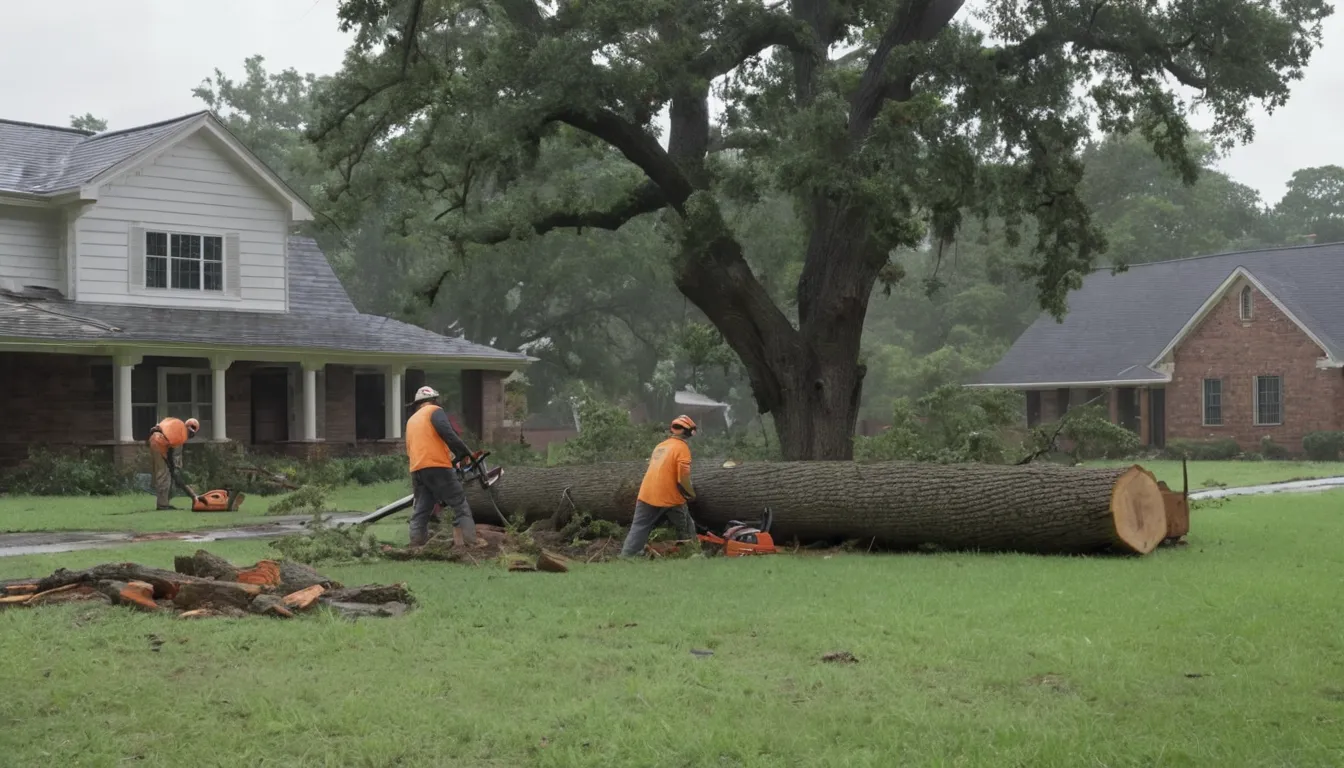
Did a storm drop a tree or a heavy limb on your home, car or driveway? You are not stuck. Damagestrategy Tree Service is a referral service that connects homeowners in Glenview and the Glenview area with independent providers who handle emergency tree removal and storm tree clearance. We do not do the work ourselves. The provider does.
Why does acting fast matter? A tree resting on a roof, fence or power line can cause more damage as time goes on. Wet weather, hail and cold snaps make it worse. A careful, well-planned cut protects the roofline, the yard and the value of your home. Use the request form to ask for an estimate, or Request a callback to check which providers can respond quickly. Ask, then act.
Take a breath. You can handle this, and the first move is simple: make sure everyone is safe. Then line up a local provider. Timing changes everything with a fallen tree, so a little calm planning now protects your home later.
Move people and pets away from the tree and away from any damaged part of the house. Stay out of the yard if broken branches still hang overhead. A tree that looks settled can shift again, especially when it rests on a roof, a fence or another tree.
If a wire touches the tree or lies on the ground, treat it as live. Stay far back and keep others back too. Report it to your utility company. A tree provider cannot safely start until the lines are dealt with.
Not every tree needs a rush job. These usually do:
A new lean after a storm is a warning sign. Cracked soil, lifted roots or a split trunk all matter. Describe what you see when you ask for help. Providers can judge how urgent it is and tell you what to do in the meantime.
Great question. Here is how a typical fallen tree plays out.
The full weight sits on whatever the tree landed on. A roof can sag, shingles can crack, and rain can find the gap. Clearing the load once it is safe, and covering the opening, keeps the damage small.
Water that gets in can soak insulation and drywall. Wet wood is heavy, so the tree gets harder to move. Hot, humid weather can start mold in a damp attic. A cold snap adds ice to the mix.
Small problems grow. Stains spread, a bent gutter pulls loose, and a cracked limb drops. Repairs cost more, and the story you tell a future buyer gets harder. Acting early helps protect the roofline and the home's value.
Providers in the network usually follow a similar path:
Every job is different. Big trees may need a crane or a lift. A storm tree clearance job with several trees can take longer than one trunk.
A careful cut matters as much as a fast one. Dragging a heavy trunk across shingles or a soft lawn adds new damage on top of the old. A provider who plans each cut protects the roof, siding, gutters and buried lines. Clean work now keeps your home's value intact for the day you sell.
Some policies may cover sudden damage from a storm. Check your policy and contact your insurer early. Providers can often help document damage for a claim. Take photos before anything moves, and keep every receipt. Ask about your deductible before you decide.
Expect a busy week. Many neighbors need help at once, so waits can stretch. Many providers can respond quickly to urgent jobs, such as a tree on a roof, and book less urgent work after that. Tell them what matters most. Clear photos help a lot.
Yes. Soft, flooded ground can stop heavy gear from reaching the tree. Deep frost can harden the soil, which sometimes helps. Your provider will tell you what the yard can handle and how to protect the lawn.
Once the mess is cleared, look at the trees still standing. Dead branches, hollow trunks and trees that lean over the house deserve a check. Summer thunderstorms and hail hit hard, and ice and wind come in winter. Removing a weak tree on your schedule beats facing it during a storm.
Ask, then act. These questions help:
Not sure where to start? Request a callback to check provider availability, or send a request and compare written quotes.
Providers cut and clear trees that have landed on roofs, yards, fences and driveways.
Help with downed limbs and several trees after wind, hail or ice have hit the property.
Broken or hanging limbs over the house, car or walkway can be taken down carefully.
Many providers can help photograph and note damage to support an insurance claim.
Prices vary a lot by tree size, access and how much damage there is. These are typical U.S. ranges only. Always get a written quote before work begins.
| Job type | Typical range | Notes |
|---|---|---|
| Small fallen tree | $300 – $900 | Easy access, no structure involved |
| Medium tree removal | $800 – $2,000 | Depends on height and location |
| Large tree removal | $1,500 – $4,000 | Often needs extra gear and time |
| Tree on a roof or house | $2,000 – $6,000 | Careful sectional work required |
| Crane or lift add-on | $500 – $2,000 | Used when trees cannot be climbed or dropped |
| Debris hauling | $100 – $500 | May be included in the quote |
Keep everyone away from the tree and any wires, and take photos of the damage.
Request a callback to check availability or send a request for an estimate.
Review written quotes and ask what cleanup and hauling include.
The local provider removes the tree and clears the site.
Acting early can limit leaks, rot and mold, which keeps repair bills and stress smaller.
Sectional cutting helps protect the roof, siding and yard from more damage.
Providers in the network know the area's storms, soils and housing.
Send one request and compare written quotes before you decide.
Questions about a tree? Request a callback to check provider availability, or send an estimate request and tell us what you see in your yard.
No obligationUsually, yes. The weight can crack rafters and let rain in. Keep everyone out of the area, take photos, and contact a provider to check availability and ask what to do next.
Some policies may cover sudden storm damage, including removal of a tree that hit your home. Coverage differs, so check your policy and call your insurer early. Providers can often help document damage for a claim.
Typical U.S. costs run from a few hundred dollars for a small tree to several thousand when a large tree is on a roof or needs a crane. Always ask for a written quote first.
Questions about a tree? Request a callback to check provider availability, or send an estimate request and tell us what you see in your yard.
No obligation